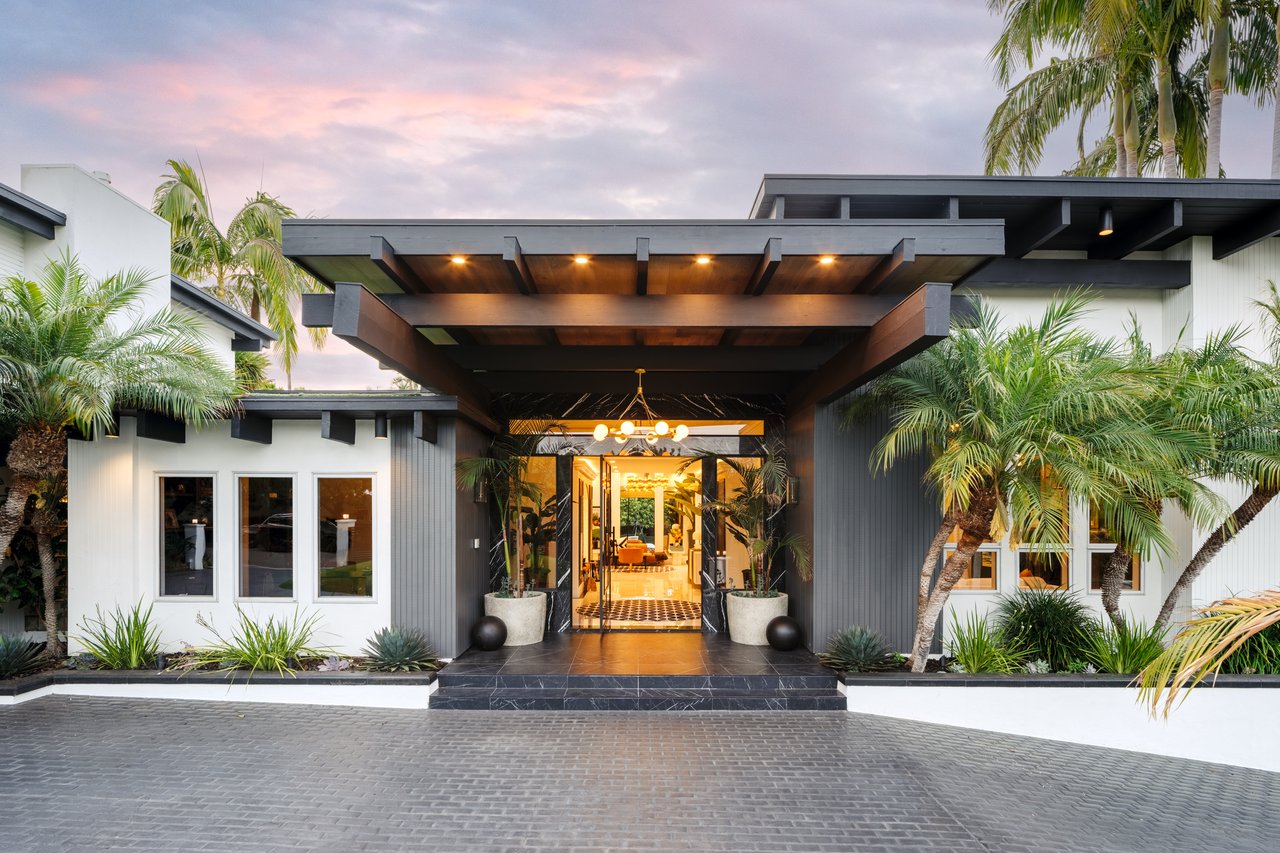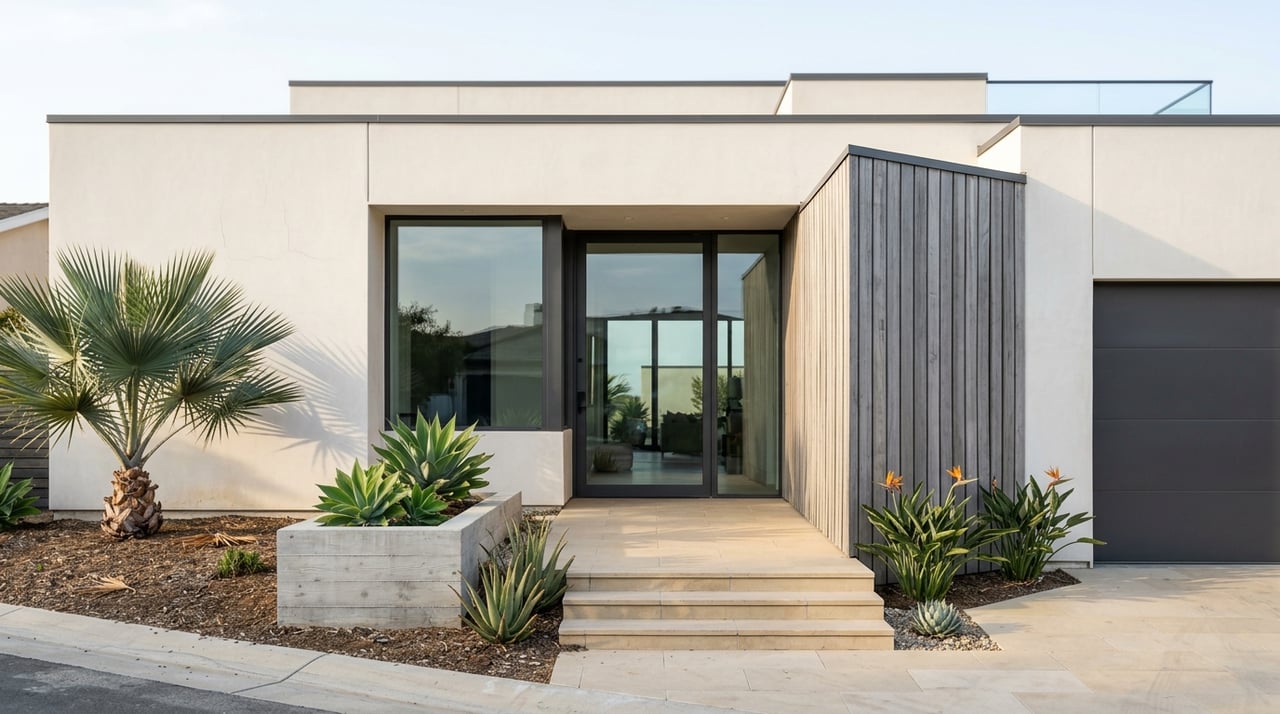
If you are trying to price, buy, or time a luxury home purchase in Del Mar, one truth matters right away: this is not a market where citywide averages tell the full story. In a place this small, a few blocks can change your view, walkability, privacy, flood exposure, and long-term value. When you understand Del Mar by micro-market instead of by broad label, you can make far better decisions. Let’s dive in.
Why Del Mar works like a micro-market city
Del Mar is compact by any standard. The city covers about 2.2 square miles, has roughly 4,200 residents, and welcomes more than 2 million visitors each year. It is largely made up of single-family neighborhoods, with a downtown village, a small commercial area, and several hotels.
That scale has a direct effect on luxury real estate. In Del Mar, a short change in distance from the sand, the bluff, or the Village can create a meaningful shift in how a property lives and how it is valued. For high-end buyers and sellers, that means broad averages are only a starting point.
Recent market data makes that even clearer. Redfin reported a median sale price of about $4.35 million over the three months ending April 2026, while Zillow placed the average Del Mar home value around $3.77 million and showed just 22 homes for sale as of April 30, 2026. Redfin’s beach-filtered Del Mar search also showed 29 homes for sale with a median list price of about $5.92 million.
The takeaway is simple: coastal inventory in Del Mar often sits above the citywide average, and the luxury segment is thin enough that a few sales can quickly reshape the monthly picture. That is why serious pricing strategy starts with exact positioning, not just a city median.
Beach Colony pricing starts with access
Beach Colony, also called North Beach in city design guidance, is Del Mar’s closest-in beach neighborhood. The city describes it as having close ocean proximity, relatively high density, little topographic variation, a grid street pattern, narrow streets, and small lots with minimal setbacks. It also includes a mix of single-family and multifamily homes.
For you as a buyer or seller, that means Beach Colony value is driven by details that may look minor on paper but feel major in real life. The difference between on-the-sand, a few homes off the beach, or farther back in the grid can be dramatic. Access, parking, lot width, and view lines all matter here.
A recent sale helps show the spread. At 205 24th St, a home described as four houses from the sand with an unobstructed ocean view sold for $3.0 million in May 2025. By comparison, 2828 Ocean Front, described as an oceanfront residence with 50 feet of frontage, sold for $9.0 million in 2014.
Those examples are not interchangeable. They show why the phrase “near the beach” is too vague for Del Mar luxury pricing. In Beach Colony, direct sand-front positioning can command a very different tier from homes just a few rows back.
Flood mapping matters in Beach Colony
Beach Colony is also one of the places where regulatory context can materially affect ownership costs and buyer behavior. The City of Del Mar’s flood-map information says FEMA’s coastal hazard study indicates beachfront properties north of 18th Street to the San Dieguito Lagoon River Mouth should be mapped as Special Flood Hazard Area because of wave action and coastal flooding.
That matters because city floodplain regulations can require permitting and may trigger flood-insurance requirements in mapped areas. For a seller, this can shape how a property is positioned and evaluated. For a buyer, it should be part of the early diligence conversation, not an afterthought.
The city also states that its current sea-level-rise adaptation strategy focuses on beach nourishment and management, river-channel dredging, and flood management, and that managed retreat is not considered necessary or feasible for Del Mar. In other words, the planning framework is active and important, especially for homes closest to the shoreline.
Olde Del Mar values hinge on views and topography
Olde Del Mar often attracts buyers who want a different kind of coastal lifestyle. Instead of prioritizing only immediate sand access, many properties here trade on a mix of ocean views, hillside character, privacy, and proximity to the Village. That combination can create a very different buyer pool and pricing structure.
The city’s Land Use Plan gives the Village Center District a pedestrian-oriented role and emphasizes small-town character, ocean-view preservation, and a low-scale village atmosphere. This helps explain why homes near the Village may command value for convenience and walkability in addition to the home itself.
Still, not every Olde Del Mar address performs the same way. Slope, lot utility, view corridor, and privacy all influence value. A home on a more usable lot with stronger views may compete in a very different bracket from a nearby property with more constraints.
Recent sales show that separation clearly. A home at 1095 Klish Way, marketed as Olde Del Mar and described as a single-level beach cottage close to the Village, sold for $3.24 million in April 2025. Another Del Mar sale at 144 Ocean View Ave closed at $5.25 million in October 2025, illustrating how quickly pricing can move when location and view advantages improve.
Bluff corridors bring premium and complexity
Bluff-adjacent locations can be some of Del Mar’s most compelling addresses, but they also require careful analysis. The city’s Land Use Plan treats the bluff system as a protected scenic asset and calls for preservation of bluff-top areas west of the railroad right of way between the southern city boundary and 15th Street in open-space condition to preserve panoramic ocean views and lateral access.
The city also identifies scenic-view preservation along Camino del Mar and at bluff-top viewpoints near 4th, 8th, and 11th Streets. That means view value in these areas is tied not only to what you can see today, but also to the planning framework around the bluff environment.
Del Mar’s Coastal Bluff Overlay Zone adds another layer. The overlay exists to protect fragile bluffs from bluff failure and shoreline erosion, and it requires disclosure for real estate transactions within the overlay boundary. For buyers and sellers, that makes bluff-area pricing more nuanced than a standard “view premium” calculation.
Village proximity is its own luxury category
In many coastal markets, walkability is a nice extra. In Del Mar, it can be a major value driver. The Village offers a distinct small-town setting shaped by the city’s planning goals, which favor pedestrian activity, resident- and visitor-serving retail, and low-scale development.
That gives some homes a strong lifestyle premium even if they are not on the sand. If you can comfortably reach dining, shops, and coastal viewpoints while still enjoying privacy and a quality view, your property may appeal to a buyer seeking a more lock-and-leave coastal experience.
For that reason, Village-adjacent homes should not automatically be compared with Beach Colony properties or bluff estates. They serve different priorities. One buyer may pay more for immediate beach access, while another may value walkability, charm, and everyday convenience.
What really drives luxury value in Del Mar
If you want to understand pricing in Del Mar, start with micro-location and work outward. Bedroom count and finishes matter, but they usually come after the land and setting fundamentals. In this market, the lot often tells the real story.
The most important value drivers include:
- Direct beach access
- Ocean-view quality
- Lot shape and usability
- Topography and slope
- Privacy
- On-street parking and circulation
- Proximity to the Village
- Flood, bluff, or coastal regulatory exposure
The city’s hillside design standards emphasize preserving natural topography, stepping homes into slopes, and using setbacks from slope edges where feasible. The city’s draft Safety Element also identifies sea level rise, coastal storms, beach and bluff erosion, flooding, landslides, earthquakes, tsunamis, wildfire, and structure fire as major hazards.
That does not mean every property carries the same level of concern. It means that in Del Mar, site analysis is a core part of valuation. Two homes with similar square footage can trade very differently if one has a more favorable lot, easier access, stronger privacy, or fewer visible constraints.
How to time a sale or purchase
Del Mar is a selective market, not a high-volume one. Redfin reported 19 home sales in April 2026 with a median of 47 days on market, while Zillow reported 22 homes for sale at the end of that month. In a market this thin, timing data can shift quickly because only a small number of closings shape the averages.
For sellers, that means pricing a home off a broad Del Mar median can be risky. A Beach Colony home, a bluff-view property, and a Village-adjacent residence may each need a different strategy, even if they are relatively close together. The strongest pricing approach compares true competitors by micro-location first.
For buyers, it means patience and precision often matter more than speed alone. When inventory is limited, it is easy to overpay for a label like “coastal” without fully weighing access, topography, or regulatory context. A disciplined review of the property’s exact setting can protect you from making a very expensive assumption.
A smarter framework for Del Mar luxury decisions
Whether you are buying or selling, the most useful framework is straightforward. Compare homes first by micro-location, then by lot characteristics, then by regulatory and hazard profile, and only after that by interior features and bedroom count.
In Del Mar, a few hundred feet can shift a property from sand-close to bluff-close to village-close. Those are not small differences, and they are not interchangeable market positions. The more precisely you define the home’s setting, the more accurately you can understand its true market tier.
If you are considering a move in Del Mar, that level of analysis is where strategy starts. For a confidential, high-level conversation about your property or acquisition goals, connect with Eric Iantorno.
FAQs
What makes Del Mar a micro-market for coastal luxury homes?
- Del Mar is a very small city with low inventory, so a few blocks can materially change access, views, privacy, topography, and regulatory exposure, all of which can affect value.
What affects Beach Colony home values in Del Mar?
- Beach Colony values are shaped by exact distance to the sand, whether the home is directly oceanfront or a few rows back, parking and access conditions, and whether the property falls within flood-related coastal hazard mapping.
Why do Olde Del Mar home prices vary so much?
- Olde Del Mar prices can separate quickly based on view quality, slope, lot utility, privacy, and proximity to the Village, even when homes are geographically close.
What should buyers know about Del Mar bluff properties?
- Bluff-area properties can carry strong view appeal, but buyers should also account for scenic preservation policies, bluff-related disclosures, and the Coastal Bluff Overlay Zone.
How should sellers price a luxury home in Del Mar?
- Sellers should compare their property to homes in the same micro-location first, then evaluate lot characteristics and regulatory context before relying on citywide median price data.