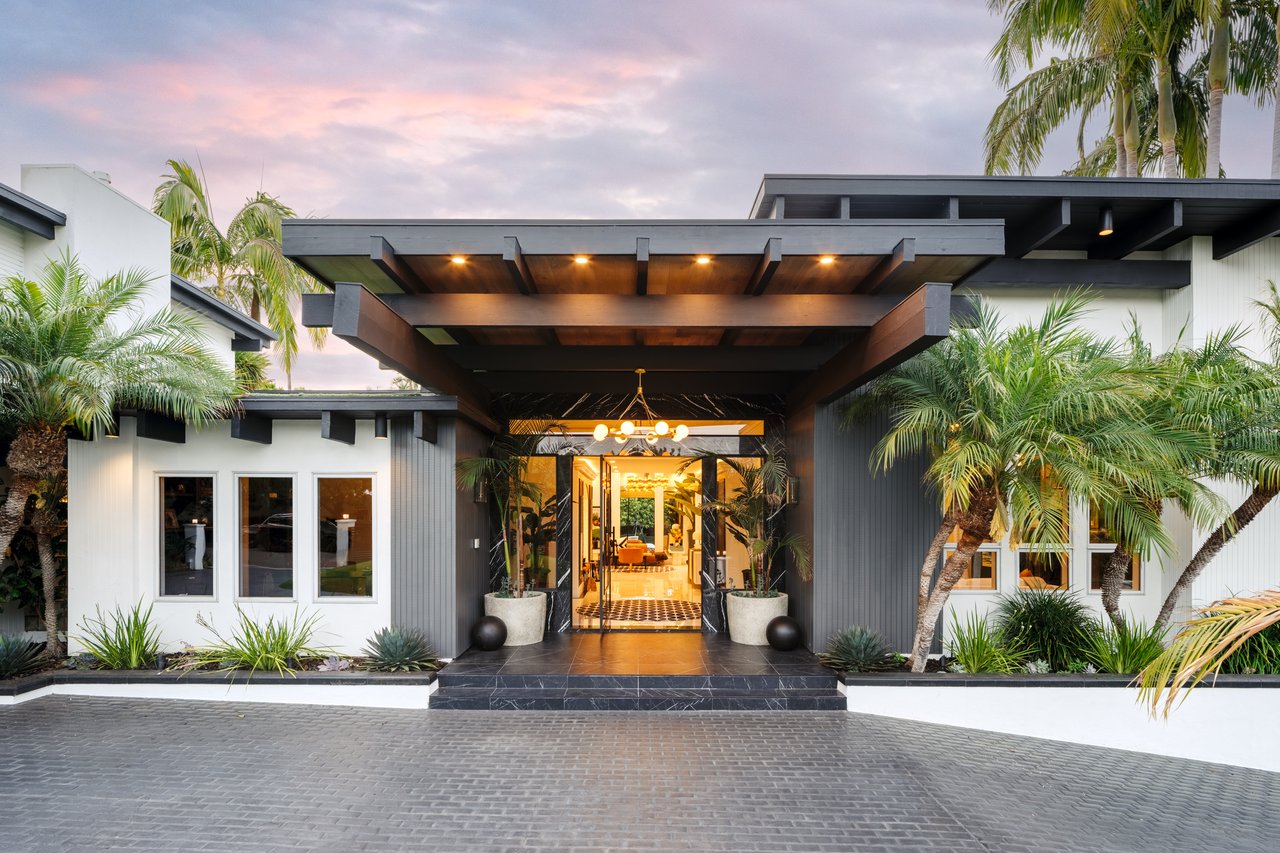
If you are thinking about selling a luxury home in Del Mar, timing and execution matter just as much as the property itself. Even in a strong seller’s market, today’s buyers are selective, well-informed, and quick to compare presentation, pricing, and disclosure readiness. The good news is that with the right timeline and strategy, you can launch with confidence, reduce avoidable delays, and put your home in the best position to perform. Let’s dive in.
Why timing matters in Del Mar
Del Mar remains a seller’s market, but that does not mean every luxury listing sells instantly. Public market data from spring 2026 shows homes moving in weeks rather than days, with one source reporting a median 48 days on market and another showing an average of 26 days, while some especially desirable homes can go pending in about 14 days.
That range tells you something important. The first two weeks matter most, but the full timeline often depends on pricing, presentation, and how prepared the property is before it goes live. In a luxury segment, you do not want to use the market as your testing ground.
National luxury trends support the same idea. Higher-end homes often take longer to sell than the broader market, especially at the top of the price spectrum. For a Del Mar oceanfront, bluff-top, or architecturally significant property, that means your planning should start well before your ideal listing date.
Start preparation before you list
A successful Del Mar luxury sale usually begins 2 to 6 weeks before launch. This is the window to handle inspections, prepare disclosures, review title or permit items, complete targeted repairs, and coordinate staging and visual marketing.
That early runway matters because luxury buyers expect a polished, orderly experience. They are not just evaluating the home itself. They are also noticing how professionally the property is presented, how complete the information is, and whether the sale feels well managed from day one.
Build a pre-listing checklist
Before your home hits the market, your preparation may include:
- Pre-listing inspections
- Property condition review
- Targeted repairs or touch-ups
- Staging consultation or physical staging
- Title review
- Permit and document review
- Photography and video planning
- Drafting seller disclosures
- Gathering local and hazard-related disclosure materials
For luxury sellers, this phase often works best when one advisor coordinates the moving pieces. That keeps the launch timeline organized and helps avoid scrambling once buyer interest begins.
Disclosures are part of the strategy
In California, disclosures are not just paperwork at the end of the process. They are a core part of a smart listing strategy. The state’s Transfer Disclosure Statement applies to most single-family residential transfers and is meant to provide meaningful information about the property’s known condition before title transfers.
For Del Mar sellers, this can be especially important because local property conditions may require added attention. If your home is in a bluff-adjacent or oceanfront setting, your disclosure package may need to reflect issues tied to location, hazard zones, or city-specific requirements.
Del Mar bluff and coastal factors
The City of Del Mar states that properties within its Coastal Bluff Overlay Zone must disclose that status in real estate transactions. The overlay applies to properties with coastal bluffs or vulnerable slopes, which makes this especially relevant for bluff-top and bluff-adjacent homes.
The city’s planning documents also identify beachfront, beach-area, and bluff-top residences as vulnerable to projected sea-level-rise-related impacts. Depending on your parcel location, natural hazard disclosures may also apply for conditions such as flood, earthquake fault, seismic, or very high fire hazard severity zones.
Older luxury homes need extra attention
If your Del Mar home was built before 1978, federal law requires disclosure of known lead-based paint hazards before contract signing. Buyers must also receive a 10-day opportunity for an inspection or risk assessment.
For an older estate, handling this early can help prevent delays later. It is one of the most common timing issues that can disrupt an otherwise smooth closing when it is left too late.
Price for the launch, not for wishful thinking
In a high-value market, pricing strategy can shape the entire trajectory of your sale. Del Mar homes were selling at about 97% of asking price in March 2026, and current data also show average sales below list price. That is a strong signal that overpricing can cost you leverage, even in a seller’s market.
Buyers at this level pay close attention to value. They look at recent comparable sales, view orientation, lot quality, architecture, condition, privacy, and how a property fits within the current absorption pace. If the launch price is disconnected from those factors, the market often notices immediately.
What a strong pricing strategy should consider
A thoughtful Del Mar luxury pricing plan should weigh:
- Recent comparable sales
- Current active competition
- View quality and frontage
- Bluff, beach, or ocean proximity
- Lot size and usable outdoor space
- Architectural significance
- Interior condition and updates
- Disclosure complexity and buyer perception
- Current pace of buyer absorption
The goal is not to underprice a luxury home. The goal is to position it credibly and competitively so the first wave of interest has the best chance to produce strong offers.
Presentation can influence speed and outcome
Luxury buyers respond to presentation, especially online and during the first in-person showings. According to the National Association of Realtors’ 2025 staging report, 83% of buyers’ agents said staging made it easier for buyers to visualize a property as a future home. The same report found that photos, physical staging, videos, and virtual tours all matter to the buyer experience.
For Del Mar luxury listings, that matters even more. Coastal homes often compete on emotion as much as on specs, and premium visual storytelling helps buyers understand scale, light, flow, and the relationship between indoor and outdoor living.
Focus on the first impression
Your launch week should feel deliberate and highly polished. This is usually the period for:
- Final pricing decisions
- Professional photography
- Cinematic video
- Marketing copy
- MLS launch
- Coordinated showing schedule
Because some Del Mar homes can go pending in about 14 days, your initial exposure window is not something to waste. The first marketing push is often the most valuable visibility period of the entire listing.
Plan showing cadence carefully
Showings in the luxury segment are about more than access. They are about timing, privacy, and maintaining a strong presentation throughout the launch period. A scattered showing schedule can dilute momentum, while a coordinated plan can help create stronger buyer awareness and better comparison value.
This is especially important for high-profile sellers or privacy-sensitive households. A tailored launch can balance broad market reach with a more curated showing process, depending on your priorities and the property profile.
A realistic Del Mar selling timeline
One of the biggest mistakes luxury sellers make is assuming the process starts when the listing goes live. In reality, the timeline begins weeks earlier and continues well beyond offer acceptance.
Here is a practical planning framework based on current California transaction guidance and market timing patterns:
| Phase | Typical timeline | What happens |
|---|---|---|
| Pre-listing prep | 2 to 6 weeks before listing | Inspections, repairs, disclosures, title or permit review, staging, marketing prep |
| Launch week | Listing week | Photography, video, pricing finalization, copy, MLS launch, showings begin |
| Offer and acceptance | Often within days to several weeks | Negotiation, buyer review of disclosures, contingency planning |
| Escrow and closing | Roughly 30 to 45 days or more | Title coordination, inspections, contingency removal, final signatures, recording |
This is a planning estimate, not a fixed rule. Cash purchases or highly streamlined transactions can move faster, while financed purchases or complex properties can take longer.
Escrow still takes coordination
After you accept an offer, the work is not over. In California, escrow is commonly handled by independent escrow companies or title insurance companies, and escrow is completed when the instructions have been satisfied or waived.
That process usually includes title coordination, inspection review, document updates, and recording preparation. Guidance from the California Department of Real Estate emphasizes that accurate instructions, preliminary reports, inspection reports, and recorded documents help avoid delays.
Expect negotiations after acceptance
Luxury sales do not always move in a perfectly straight line once a contract is signed. California offers commonly include loan, repair, pest, inspection, and other contingencies, so it is normal to have additional negotiation and document review during escrow.
For Del Mar properties, that can also include confirming local hazard issues, bluff-related disclosures, or older-home disclosure items before final signatures and recording. A clean file at the start can make this stage much smoother.
Strategy matters more at the high end
Selling a Del Mar luxury home is rarely a one-step process. It is a coordinated sequence of timing, pricing, visual presentation, disclosure planning, and escrow management. When each phase is handled proactively, you are better positioned to protect value, attract serious buyers, and reduce avoidable friction.
That is why many successful luxury sales begin with a customized plan, not a rushed listing date. If you want a sale that feels polished, private where needed, and market-smart from start to finish, it helps to work with an advisor who treats the listing like a full-scale launch.
If you are preparing to sell an oceanfront, bluff, or high-end coastal property in Del Mar, Eric Lantorno can help you build a confidential strategy tailored to your timing, presentation, and goals.
FAQs
How long does it take to sell a luxury home in Del Mar?
- Current public data suggests Del Mar homes often sell in weeks rather than days, with some moving in about 14 days and others taking longer depending on pricing, presentation, and property type.
When should you start preparing a Del Mar luxury home for sale?
- A practical planning window is about 2 to 6 weeks before listing so you can complete inspections, disclosures, repairs, staging, and marketing preparation before launch.
What disclosures matter when selling a Del Mar bluff home?
- If the property is in the City of Del Mar’s Coastal Bluff Overlay Zone, that status must be disclosed, and other hazard-related disclosures may also apply depending on parcel location.
Does overpricing hurt a Del Mar luxury listing?
- Yes. Even in a seller’s market, current data showing sales around 97% of asking price suggests that aspirational pricing can weaken momentum and lead to a less effective launch.
How long does escrow usually take for a Del Mar luxury sale?
- A practical estimate is roughly 30 to 45 days or more after acceptance, depending on financing, contingencies, and how ready the documents and disclosures are at the start.