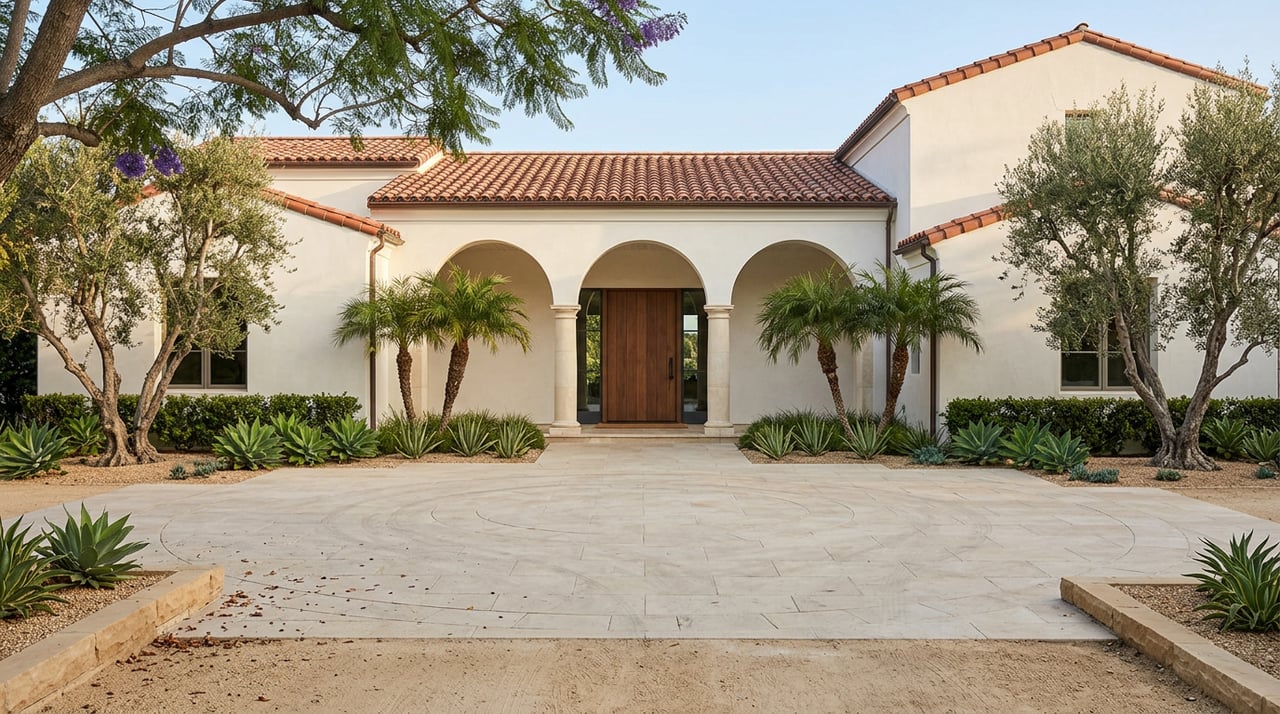
If you are drawn to Rancho Santa Fe for its privacy, acreage, and timeless architecture, you are not alone. Buying here is different from most luxury markets, and smart preparation will save you time and stress. In this guide, you will learn how the Covenant works, what the design review process looks like, what to check during due diligence, and how to plan realistic budgets and timelines. Let’s dive in.
Rancho Santa Fe at a glance
Rancho Santa Fe is known for estate-scale living, open landscapes, and a private, country setting. The historic core covers about 10 square miles and features large lots, with the average Covenant parcel over two acres. You will also find private trails, community facilities, and security services administered by the Rancho Santa Fe Association. For an overview of amenities and membership context, review the Association’s community page on welcome to Rancho Santa Fe.
Covenant vs. non-Covenant
“In the Covenant” means the property is governed by the recorded Rancho Santa Fe Protective Covenant and the Rancho Santa Fe Association (RSFA), in addition to San Diego County rules. Non-Covenant homes within the Rancho Santa Fe area follow their own HOA rules or county regulations. Always confirm Covenant status by checking the deed and legal description during escrow. To see the controlling rules, read the Protective Covenant.
Why the Covenant matters to buyers
- Two layers of approval. Covenant projects typically require RSFA Architectural Review plus County permits.
- Design and land-use standards. The Covenant sets coverage limits, height caps, and architectural expectations that shape what you can build.
- Assessments and enforcement. RSFA can levy maintenance assessments and record liens for unpaid amounts. Confirm any balances during escrow. You can verify these powers in the Protective Covenant.
Architectural Review and permits
Covenant properties go through the RSFA Architectural Review (often called the Art Jury) for exterior design, new builds, major remodels, barns, fences, pools, and other visible improvements. Submittals are handled through RSFA’s online portal and follow a published checklist and schedule. Expect coordination between RSFA review and County plan check. Get familiar with the Architectural Review process before drafting plans.
What to expect in review
- Style check first, then final plan review, each with defined submittal requirements.
- Drawings, site data, landscape and fire-mitigation plans are standard.
- Horse facilities require additional documentation and permits.
- Decisions focus on “conformity and harmony” with the Covenant and architecture districts.
Courts have generally upheld reasonable architectural-review decisions where documents grant discretion. This background explains why advance coordination with local, RSF-experienced architects is so valuable. For context, see a case summary on Art Jury discretion.
Fees, timelines, and enforcement
RSFA publishes a fee schedule for construction and land-use applications. As an orientation, residential construction application fees often sit in the low thousands, with many stand-alone exterior items in the low hundreds. Horse or large-animal keeping permits carry separate application fees. Review the current Schedule of Fees and Deposits and budget these costs into your plans.
Timing also matters. Style-check approvals can expire after six months, and final plan approvals may expire after one year if conditions are not met. Projects are queued first-come, first-served, so build weeks to months of review into your schedule. You can confirm expiration rules and timing guidance in the fee and policy schedule.
Neighborhoods and HOAs outside the Covenant
Many sought-after communities around Rancho Santa Fe operate under separate HOAs with their own design standards, security, utilities, and club amenities. Examples include Fairbanks Ranch, The Bridges, Cielo, and Del Mar Country Club. These areas may feature smaller lots than Covenant estates and different membership or club structures. Always review that community’s CC&Rs, budgets, and design guidelines during due diligence.
Utilities and wastewater basics
Water in large portions of Rancho Santa Fe is served by the Santa Fe Irrigation District. Wastewater varies by location. Some parcels are on public sewer, while many estate properties use septic systems, which can influence future expansion or ADU plans. Confirm your water provider and service, meter status, and septic capacity early. Start with the SFID service overview.
Trails, equestrian, and clubs
One of the area’s signatures is its private trail network and open spaces managed by the Association. RSFA reports nearly 60 miles of private equestrian and hiking trails. Access depends on ownership and recorded easements, and barns or paddocks require review. Explore the Association’s clubs and recreation to understand trail access and community facilities.
If horses are part of your plan, request the recorded trail easements, horse-keeping rules, and any prior permits. RSFA processes barn and paddock siting, setbacks, and manure or runoff management through its application system.
Market snapshot and pricing ranges
Rancho Santa Fe is a high-value, low-volume luxury market. Vendor medians vary by source and timeframe, but values often land in the multi-million range, with recent data points commonly in the 3 million to nearly 6 million band depending on the zip code and reporting window. As a buyer, you will see many single-family sales between about 3 million and 10 million. Large custom estates on prime acreage can reach 10 million to 50 million or more. Because of low sales volume and custom properties, a few large transactions can shift medians, so use rolling 12-month views and property-specific comps.
Buyer due diligence checklist
Use this list to keep your purchase smooth and on track:
- Confirm Covenant status by reviewing the deed and legal description and securing the recorded Protective Covenant if applicable.
- Obtain a full title report, recorded easements, and any RSFA payoff or assessment certificates.
- Request all RSFA and County permits, approvals, and any “as-built” documents for past work.
- If remodeling, book a pre-offer consult with a local architect who knows the RSFA review process.
- Verify water provider and meter status and whether the property is on septic or sewer. For septic, confirm permitted capacity before planning additional bedrooms or accessory structures. See SFID’s overview.
- For equestrian use, request trail easements, horse-keeping rules, and prior permits; budget the application fees listed in the RSFA fee schedule.
- Review RSFA and any sub-HOA financials, reserve studies, minutes, and special-assessment history. Confirm assessment obligations in the Covenant.
- Evaluate wildfire exposure and mitigation history. Ask for defensible-space documentation and consider early insurance quotes. RSFA provides preparedness resources on its wildfire page.
- Line up advisors: real estate attorney for CC&Rs, title company familiar with RSF, RSFA-experienced architect and landscape designer, civil or geotech engineer, and a wildfire-mitigation specialist.
Sample buying and build timeline
- Weeks 0–2: Escrow due diligence on title, Covenant status, easements, utilities, and Association assessments.
- Weeks 4–12: RSFA pre-application and style check with conceptual plans.
- Additional weeks to months: Final RSFA approval, then County plan check and permits. These can run in parallel but often extend total timelines.
- Ongoing: Track approval expirations. Style-check approvals can expire after six months, and final approvals may expire after one year if conditions are not met. See the RSFA schedule and policies.
Partner with a results-driven advisor
In a market defined by custom estates, off-market opportunities, and layered approvals, you benefit from experienced, confidential representation. Eric Iantorno pairs white-glove service with curated access, leveraging premium marketing and a network built for privacy-sensitive clients. If you want a clear plan for the Covenant, Architectural Review, and the right introductions, connect with Eric Lantorno to start a private conversation.
FAQs
What does “in the Covenant” mean in Rancho Santa Fe?
- It means the property is subject to the recorded Protective Covenant and RSFA oversight, including Architectural Review and assessments, in addition to County rules. See the Protective Covenant.
What approvals do I need to remodel a Covenant property?
- Most exterior work requires RSFA Architectural Review plus County permits; expect a style check, final plan review, and coordination with County plan check per the RSFA process.
How much are RSFA application fees and how long do approvals last?
- Fees vary by project type, with many residential applications in the low thousands; style-check approvals can expire after six months and final plan approvals after one year. Review the fee schedule.
Are there assessments or liens I should check during escrow?
- Yes. The Covenant authorizes RSFA to levy maintenance assessments and pursue collection, including liens for unpaid amounts; request payoff or compliance certificates. See the Protective Covenant.
Is Rancho Santa Fe on septic or sewer, and who provides water?
- Many estate parcels use septic, though some areas have sewer; water service in large portions of RSF is provided by the Santa Fe Irrigation District. Verify details with the SFID overview.
What should equestrian buyers verify before closing?
- Confirm recorded trail easements, horse-keeping rules, and any prior permits; review siting, setbacks, and manure or runoff standards, as well as related fees in the RSFA schedule.