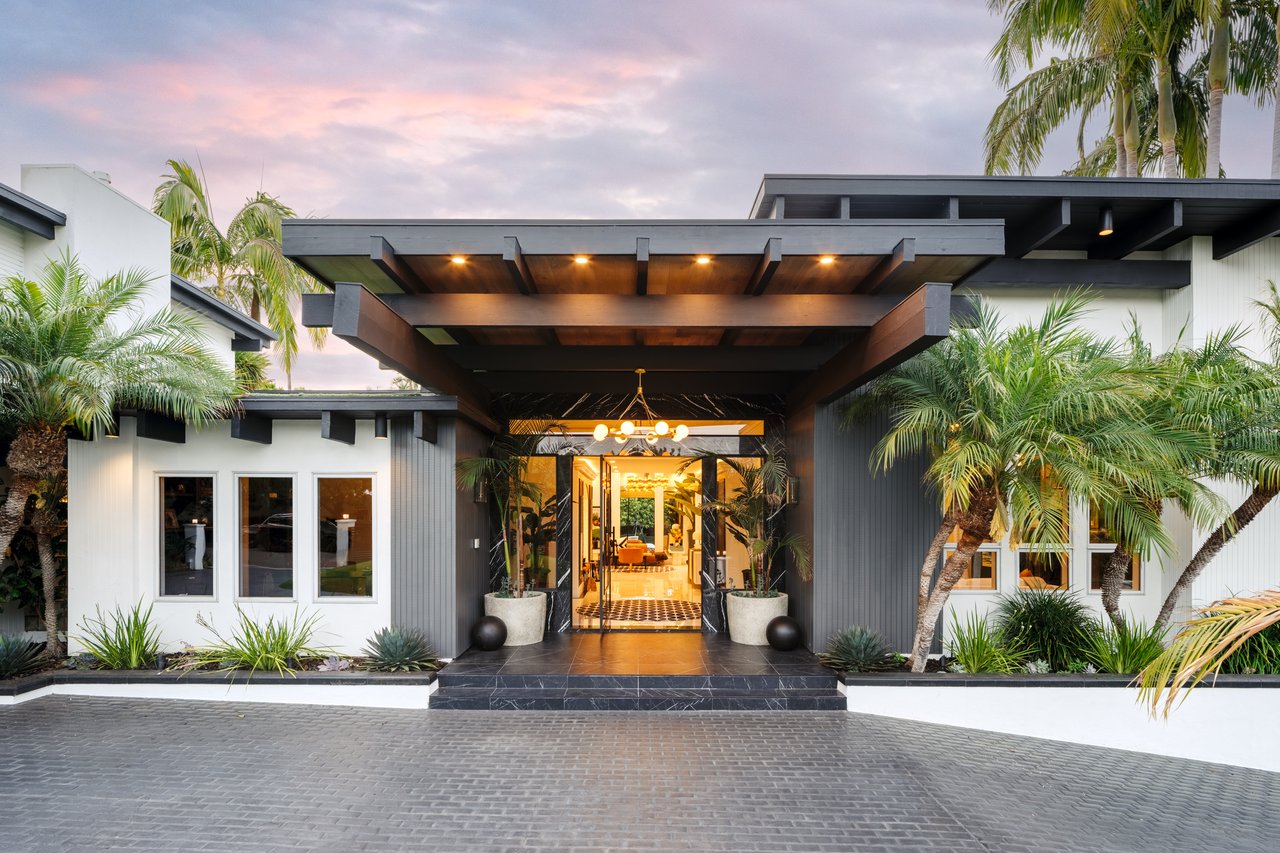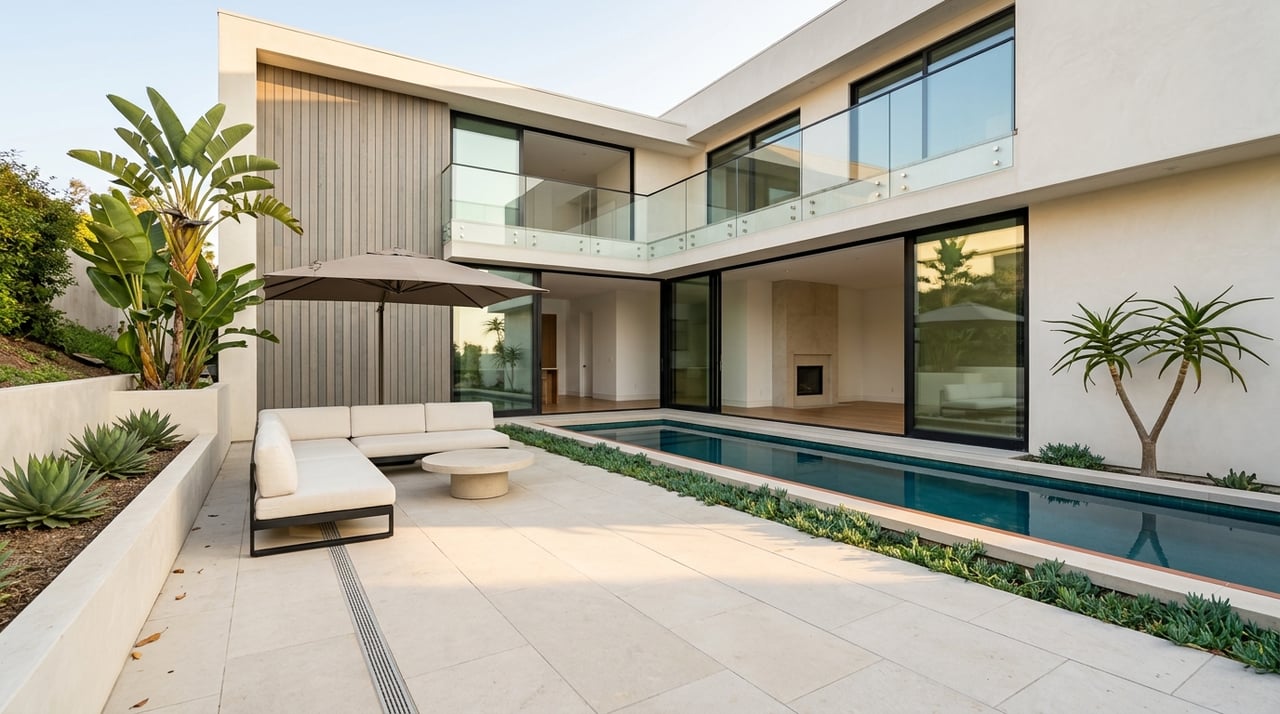
What makes a Del Mar oceanfront home instantly recognizable? It is not one fixed style or a single design trend. In Del Mar, the most memorable homes tend to respond to the coastline itself, balancing views, privacy, materials, and the realities of bluff and beachside building. If you are drawn to Del Mar architecture or considering buying or selling a coastal property here, understanding those design patterns gives you a sharper eye for what truly stands out. Let’s dive in.
Del Mar design starts with the site
Del Mar is a small seaside city of about 2.2 square miles, and its coastal setting shapes nearly every architectural decision. The city’s design-review system is intended to preserve scenic amenities, the natural environment, scenic vistas, and overall aesthetic quality.
That is important because Del Mar does not promote one official architectural style. Instead, the city emphasizes quality architecture, strong materials, and wall and roof articulation that respond to the site and neighboring homes.
For you as a buyer or seller, that means the most successful oceanfront homes are usually not the loudest ones. They are the homes that feel thoughtfully placed, visually balanced, and well connected to their setting.
Why Del Mar has no single “look”
One of the most interesting things about Del Mar is that its neighborhoods do not all read the same way. The city notes that North Beach, with its flatter terrain and smaller lots, is treated differently from bluff-top and hillside areas with more irregular topography.
That difference shows up in the streetscape. Some homes feel compact and beach-close, while others appear more terraced, set back, or sculpted into the hillside.
This is why Del Mar architecture is best understood as a spectrum rather than a style category. The common thread is not whether a home is modern or traditional. It is whether the design respects views, scale, privacy, and the land itself.
Contemporary homes frame the ocean
Contemporary and modernist homes are a major part of Del Mar’s oceanfront identity. These properties often feel low-slung, horizontal, and view-driven, with design choices that direct your eye toward the water.
In one architect-designed Del Mar residence, the design moved away from a boxy contemporary form and used a flat roof to help preserve neighboring views. Features like a glass staircase, cedar soffits, glass railings, a linear fireplace, and a deck that extends the main living area show how modern coastal homes here often blur the line between structure and scenery.
What stands out in these homes is restraint. Rather than relying on overly complicated forms, they often use clean geometry, broad glazing, and carefully edited materials to let the ocean do the visual work.
Common contemporary features
- Flat or low-profile rooflines
- Large glass openings oriented to views
- Open main living spaces
- Decks that continue the indoor experience
- Glass railings to reduce visual interruption
- Warm natural accents such as cedar or wood soffits
Traditional coastal homes still feel at home
Del Mar’s oceanfront architecture is not all modern. Traditional and classic coastal homes also have a clear place in the local design language.
An oceanfront Del Mar retreat described as Traditional or Hamptons-style included a wrap-around deck, elevated ceilings, an outdoor shower, guest space above the garage, and an ocean-view primary suite. That kind of home shows how classic beach-house design can still feel natural here when it uses proportion, materials, and outdoor living well.
The city’s design guidance supports a palette that includes brick, stone, wood, clapboard, board-and-batten, shingle siding, and light stucco, generally in natural-toned colors. In the right setting, these materials can create a timeless coastal look without feeling out of place.
Common traditional coastal features
- Wrap-around or generous ocean-facing decks
- Shingle, clapboard, or board-and-batten detailing
- Light stucco and natural-toned finishes
- Elevated ceilings and airy room proportions
- Detached or above-garage guest areas
- Outdoor showers and classic beach-house transitions
Transitional design bridges elegance and ease
Some of Del Mar’s most compelling homes sit between modern and traditional. These properties often feel quieter architecturally, but highly refined in how they support everyday coastal living.
A strong example is the transitional coastal approach seen in Ocean House Del Mar, where the design emphasizes privacy, indoor-outdoor living, and materials and colors that feel comfortable next to the sand. Features like a private gate, outdoor shower, courtyard, and firepit organize the beach experience without making the home feel overdesigned.
This understated luxury is especially relevant in Del Mar. It reflects a local preference for homes that feel polished and high-functioning, while still relaxed enough for a true seaside lifestyle.
The design moves you see again and again
Across style categories, a handful of architectural ideas appear repeatedly in Del Mar oceanfront homes. These are the details that tie the market together.
View-first massing
Del Mar’s guidelines emphasize home placement and orientation that preserve existing views, retain natural site features, and complement neighborhood character. That often leads to homes that step with the land, sit lower than expected, or use rooflines carefully to reduce visual impact.
You can see the result in the built environment. Many standout homes feel shaped by the view, rather than simply placed in front of it.
Indoor-outdoor continuity
Large sliders, retractable glass walls, decks, courtyards, outdoor kitchens, outdoor showers, and fire features are common in Del Mar. The exterior is often treated as a true extension of the main living area.
This design approach makes sense in a coastal climate, but it is also part of the luxury appeal. The best homes create a seamless rhythm between interior comfort and outdoor experience.
Privacy-focused planning
Privacy matters in Del Mar, especially along the oceanfront. Side setbacks, interior courtyards, landscaped buffers, and low-slung massing help homes feel sheltered from the street while remaining open toward the view.
That balance is especially important because the city’s review process weighs both privacy and scenic views. In practice, this helps explain why many homes feel discreet on approach and dramatic once you are inside.
Natural materials and restrained color
Del Mar design guidance favors authentic, harmonious materials and natural or earth-tone colors. Brick, stone, wood, shingle, and light stucco appear again and again, helping homes feel grounded in the coastal landscape.
This preference keeps even larger residences from feeling visually harsh. It also supports a softer, more enduring type of luxury that tends to age well.
Landscaping as architecture
In Del Mar, landscape is not just decoration. The city encourages preserving existing trees, using drought-tolerant planting, retaining pervious area, and choosing materials that help reduce runoff and bluff erosion.
That is why many well-designed homes use landscaping to frame entries, soften edges, create privacy, and visually connect the house to the site. The architecture and the landscape are meant to work together.
Oceanfront constraints shape the final design
Some of Del Mar’s most defining architectural features come from the realities of coastal building. Bluff-top and near-bluff properties face meaningful constraints that affect siting, setbacks, grading, and approvals.
The city’s coastal bluff overlay zone generally requires a minimum 40-foot setback from the top edge of the bluff and prohibits grading within that setback. Some nearby projects may also require slope certification or geotechnical review.
In addition, the city says beach-front properties north of 18th Street to the San Dieguito Lagoon River Mouth should be mapped as Special Flood Hazard Area because of wave action and coastal flooding. These factors help explain why some homes feel tucked back, stepped, or carefully terraced rather than broad and sprawling.
For buyers and sellers, this matters because architecture in Del Mar is often a direct expression of what the site allows. What may look like a refined design choice is often also a smart response to coastal conditions.
Public beach access influences privacy design
Del Mar intends to maintain public beach access at every street end. That public relationship to the shoreline is part of the city’s identity, but it also adds another layer to oceanfront design.
The challenge is not just capturing panoramic water views. It is creating a home that feels private and calm despite proximity to neighbors, passersby, and beach access points.
This is one reason courtyards, gates, layered landscaping, side setbacks, and inward-facing outdoor spaces are so common. The strongest designs solve for openness and privacy at the same time.
What stands out in Del Mar luxury real estate
If you are evaluating an oceanfront or bluff-top property in Del Mar, the most valuable architectural lens is simple: ask how well the home responds to its setting. Style matters, but in this market, site responsiveness often matters more.
The homes that command attention are usually the ones that do several things well at once. They capture views, preserve privacy, use durable and harmonious materials, and make outdoor living feel effortless.
That is also what makes Del Mar such a compelling luxury market. Its best properties are not defined by trend alone. They are defined by how intelligently design, land, and lifestyle come together.
Whether you are preparing to sell an architecturally significant coastal home or searching for a one-of-a-kind oceanfront residence, design insight matters. For a confidential, high-level conversation about Del Mar coastal real estate, connect with Eric Lantorno.
FAQs
What architectural styles are common in Del Mar oceanfront homes?
- Del Mar oceanfront homes generally range from contemporary glass-forward designs to traditional coastal estates, with many transitional homes blending the two.
Does Del Mar require one specific home style?
- No. Del Mar says there is no preferred architectural style, but it does expect quality architecture, strong materials, and design that responds to the site and nearby homes.
Why do many Del Mar homes look low-profile or stepped?
- Bluff setbacks, topography, view considerations, floodplain factors, and privacy goals often lead to homes that are tucked back, terraced, or lower in profile.
What materials are often used in Del Mar coastal architecture?
- Common materials include wood, stone, brick, shingle siding, board-and-batten, clapboard, and light stucco, usually in natural or earth-tone colors.
Why is privacy such a big part of Del Mar oceanfront design?
- Privacy is important because oceanfront homes often balance neighboring properties, public beach access, and scenic view opportunities, so design solutions often include courtyards, setbacks, landscaping, and inward-facing outdoor areas.